Mastering Martial Arts: A Comprehensive Guide to Techniques, Styles, and Self-Defense Skills
Martial arts are much more than just a form of combat training; they are a gateway to understanding disciplines that intertwine physical prowess, mental fortitude, and time-honored traditions. When you think of martial arts styles, iconic practices like karate, jiu-jitsu, taekwondo, and kung fu often come to mind. But what secrets lie within these ancient arts? Can they truly transform both your body and mind? In this blog, we will unlock the secrets of martial arts styles, exploring their diverse techniques, origins, and philosophies that have endured through the ages.
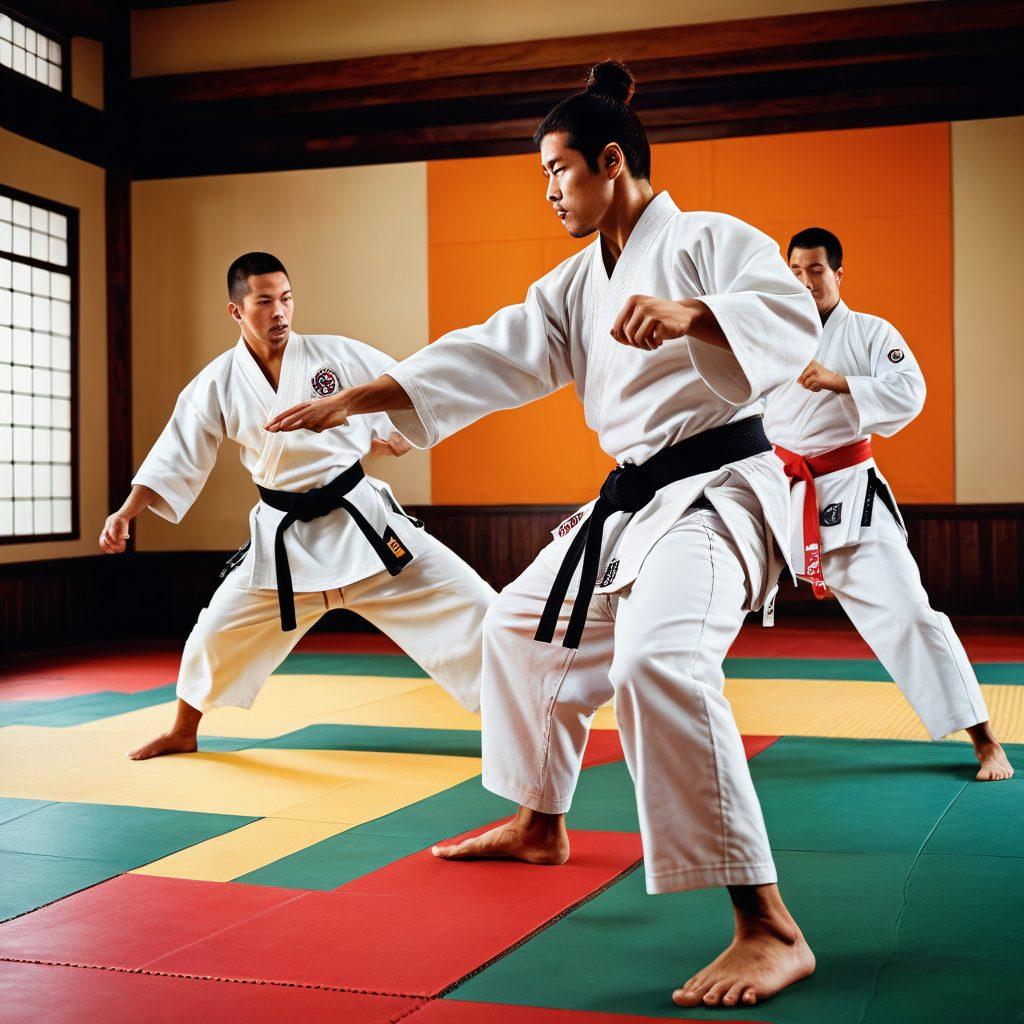
Imagine stepping into a dojo for the first time. The air is thick with a sense of history and respect. The sound of hands and feet striking pads echoes around you as practitioners of varying belt ranks practice their martial techniques. It's here that you begin to appreciate the structured curriculum of martial arts schools, each one offering unique paths to mastery. For example, karate and taekwondo emphasize striking and kicking, focusing on precision and power. Kata routines help reinforce discipline and muscle memory, vital for self-defense techniques and real-life scenarios.
But martial arts are not monolithic. Styles like jiu-jitsu and aikido open the door to a different dimension of martial training—grappling, throws, and chokeholds. Jiu-jitsu, for instance, integrates hand-to-hand combat with intricate maneuvers designed to control and subdue opponents. It's no wonder that mixed martial arts (MMA) fighters often incorporate jiu-jitsu into their repertoire. For enthusiasts of martial traditions, aikido offers a harmonious blend of defensive tactics, focusing on using an opponent's energy against them. These styles showcase the versatility of martial arts training and how they can be tailored for self-protection.
Taekwondo brings its own set of awe-inspiring traits, characterized by high-flying kicks and speed. Often used in martial arts demonstrations and competitions, taekwondo is a testament to what the human body can achieve with rigorous training and self-discipline. The practice goes beyond the physical aspects; the mental discipline required to perfect techniques and the sense of achievement as practitioners ascend through belt ranking systems foster a warrior spirit. Martial arts philosophy often emphasizes the balance of mind, body, and spirit, encouraging students to live a life marked by respect, integrity, and perseverance.
Moreover, combat training isn't limited to unarmed techniques. Martial arts weapons such as nunchaku, bo staff, and swords add another layer of skill and artistry. Mastering these weapons requires intense focus and commitment, pushing practitioners to hone their mental discipline along with physical fitness. There are also martial arts classes and workshops that delve into specific self-defense tactics, including fight choreography for personal safety, further broadening your combat sports experience. By embracing the diverse martial arts styles, you not only garner self-defense skills but also embody the principles of self-preservation and personal growth. Are you ready to embark on this enriching journey? Your path to mastering the myriad martial arts styles awaits.
Self-Defense Skills for Modern Times: Techniques, Workshops, and Personal Safety
In the fast-paced, unpredictable world we live in, self-defense skills have never been more relevant. The discipline of martial arts not only equips individuals with the prowess to protect themselves but also fosters confidence, discipline, and physical fitness. From the age-old traditions of kung fu and karate to the dynamic techniques of jiu-jitsu and mixed martial arts, mastering self-defense is a journey filled with both challenge and reward. This blog delves into modern-day self-defense techniques, the importance of workshops, and how to ensure personal safety in everyday life.
Martial arts encompass a wide array of styles, each with unique self-defense techniques. Whether you are grappling in jiu-jitsu, striking in muay thai, or performing the elegant movements of taekwondo, the core of martial arts remains the same - self-preservation and the cultivation of a warrior spirit. But how do these ancient traditions apply to contemporary life? By enrolling in martial arts classes, participants not only learn to defend themselves but also gain an understanding of martial techniques that are adaptable to real-world scenarios. As a martial artist, self-protection isn't just about physical skills; it's about mental discipline and situational awareness.
Workshops on self-defense are cropping up in many communities, making it accessible for individuals of all ages to learn important combat training techniques. Whether it's a weekend seminar on defensive tactics or a regular evening class, these workshops provide practical skills that can be life-saving. Picture this: you're walking home late at night, and someone tries to confront you. Would you know how to react? With thorough martial arts training, including intense sparring sessions and practice of kata forms, you internalize techniques that become second nature. Self-defense workshops are designed to instill this confidence and ability in participants.
Beyond the technique and physicality of martial arts lies an essential philosophy that teaches respect, humility, and perseverance. Martial arts schools instill these values, helping students develop both physical and mental endurance. The holistic approach to martial arts includes understanding the history and traditions behind martial disciplines. From the belt ranking systems, which symbolize progress and dedication, to participating in martial arts competitions, students grow in both skill and spirit. This comprehensive training ensures that the knowledge one gains in the dojo transcends into daily life, promoting personal safety and a heightened sense of awareness.
In today's society, integrating martial arts into one's lifestyle can be a game-changer for personal safety and peace of mind. The diverse styles - from the fluidity of aikido to the power of muay thai - provide a rich tapestry of martial skills that can be tailored to individual needs and preferences. With the right martial arts equipment, such as nunchaku, bo staff, or even practice swords, students learn to handle various scenarios. Knowing that you have the skills and mental discipline to protect yourself and loved ones can be incredibly empowering. Remember, self-defense isn't just a skill; it's an art. Mastering it requires dedication, practice, and the unwavering spirit to strive for excellence.
The Martial Artist's Journey: Discipline, Training, and the Warrior Spirit
Embarking on the path of martial arts is more than just learning how to punch, kick, or grapple. It’s about cultivating a deeper sense of self through martial discipline, rigorous training, and embodying the warrior spirit. Each step in this journey reveals new layers of complexity and mastery, blending physical skills with mental fortitude. Ever wondered how ancient traditions like kung fu, karate, or taekwondo have shaped the modern landscape of self-defense and combat sports?
In the essence of martial arts lies the principle of discipline. Martial arts training is not merely about mastering martial techniques but involves a profound journey of self-discovery and self-discipline. Whether you are practicing aikido's fluid motions, the striking power of muay thai, or the grappling finesse of jiu-jitsu, the dojo is a place to refine not just your body but your mind. ‘Discipline is the soul of an army,’ said George Washington, and it rings particularly true in the realm of martial arts. This discipline extends beyond the dojo, affecting daily habits and life choices, fostering personal growth and resilience.
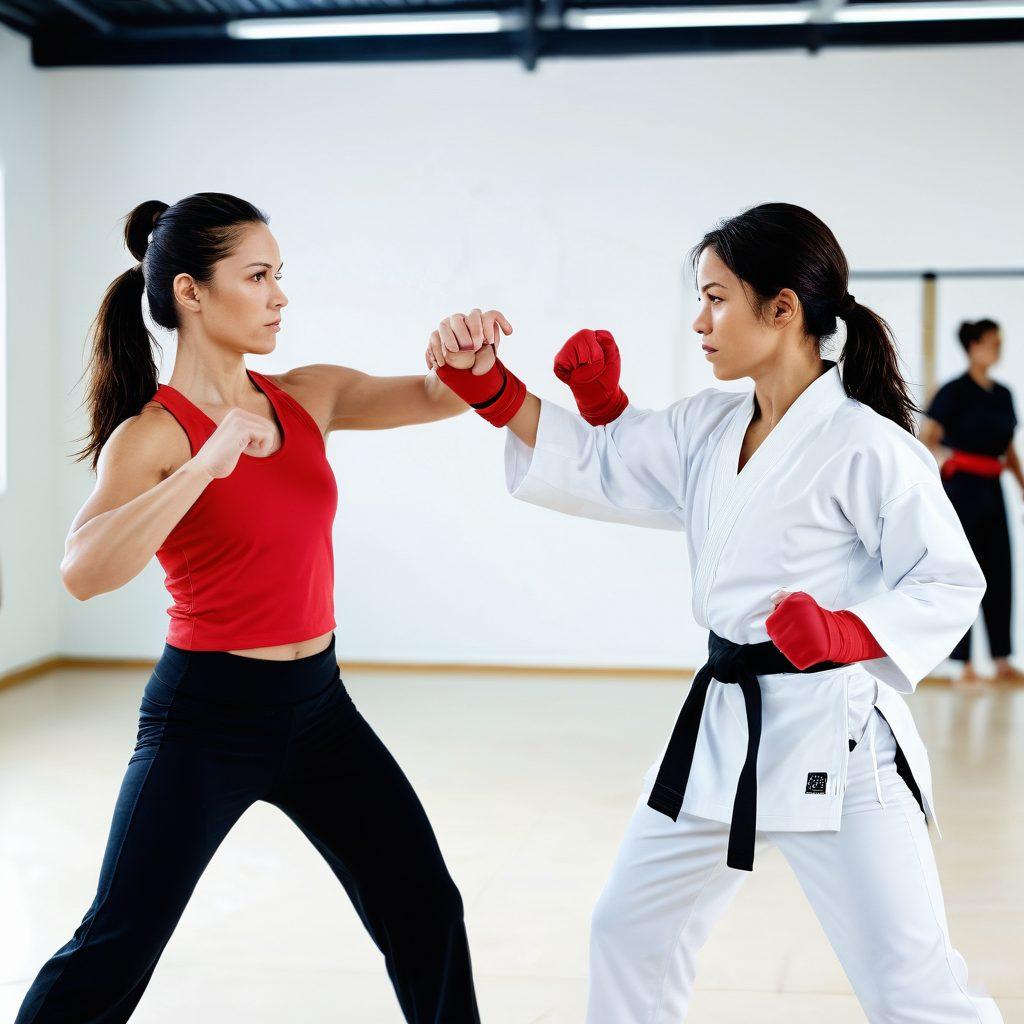
Training in martial arts is a rigorous but rewarding experience. Martial arts classes offer a structured environment where students can learn essential martial techniques and self-defense techniques. Guided by experienced instructors, students engage in various forms of combat training, from striking in karate to the strategic ground maneuvers in jiu-jitsu. Martial skills are further enhanced through sparring sessions and kata practice, where students simulate combat scenarios to develop precision and timing. These drills not only build physical prowess but also instill crucial traits such as patience, focus, and perseverance.
The journey of mastering martial arts also takes one through the fascinating history and philosophy of various martial traditions. Many martial arts schools emphasize understanding the cultural and historical contexts of the styles they teach. For instance, the art of kung fu is deeply embedded in Chinese martial arts history and philosophy, reflecting principles like balance, harmony, and respect. Karate, originally from Okinawa, Japan, focuses on self-discipline and the improvement of character. This blend of physical training and philosophical education helps practitioners adopt a holistic approach to martial arts, integrating their teachings into everyday life.
While the physical and mental aspects of martial arts are pivotal, the emotional and spiritual growth they foster is equally transformative. Engaging in martial arts competitions or martial arts tournaments offers a platform to test one’s skills and spirit. It’s not just about winning but about demonstrating the warrior spirit – the courage to face challenges head-on. Participating in martial arts demonstrations and self-defense workshops can also enhance personal safety and self-protection knowledge. As you continue on this martial journey, remember it's not solely about the belts, ranks, or accolades but about becoming a better version of yourself, armed with the wisdom and discipline learned through martial arts.